Vehicle Restraints
A vehicle restraint secures a trailer to the dock to prevent premature departure and trailer creep during loading, a common cause of forklift accidents. DLM makes six: the TPR, TPR UniLock, PowerStop Automatic, PowerStop Manual, and EZ-Lock restraints, which secure the trailer’s rear impact guard (RIG), and the UXL and Unichock, which chock the trailer’s wheels.”
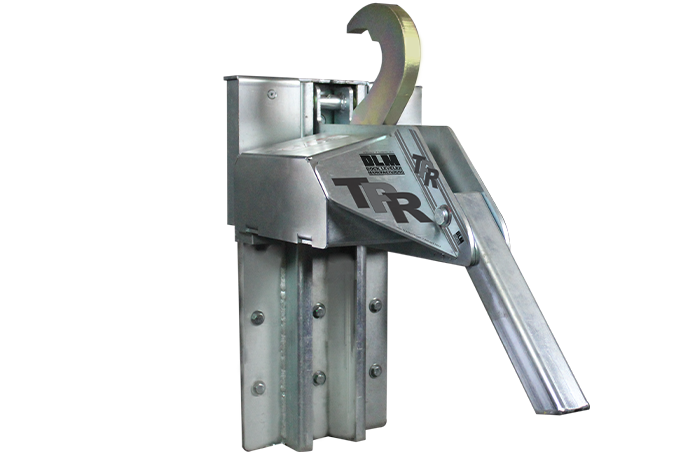
TPR® Series Automatic Restraint
The DLM® TPR® truck positioned vehicle restraint is designed to automatically position itself and secure a trailer’s rear impact guard (RIG) to reduce the likelihood of premature trailer separation during the loading/ unloading process.
Features
- Low Profile Design
- Zinc Plated Finish
- Exclusive Gear Motor
- NHTSA
- Advanced Communication
- Signs Included
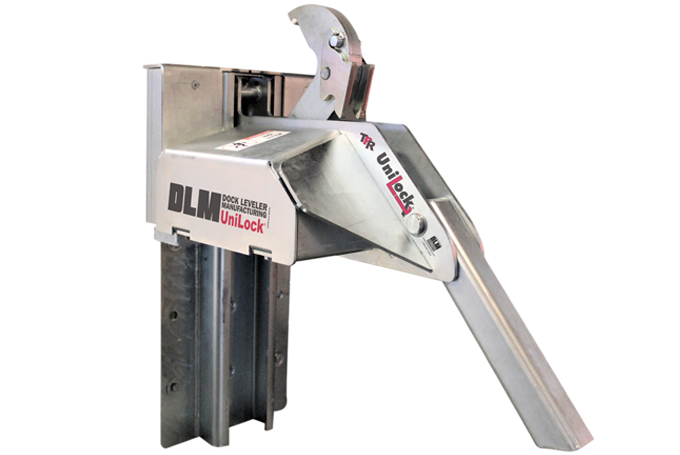
TPR UniLock® Automatic Restraint
The TPR UniLock® is the only trailer-postioned vehicle restraint that can automatically remove "RIG Wedge" pressure. RIG Wedge is caused when the trailer is pushed forward during loading/unloading and the trailer's Rear Impact Guard (RIG) applies so much pressure to the restraint's hook that the truck driver must reverse the trailer in order to release the restraint.
Features
- Advanced Cam Design
- Universally Effective
- Exclusive Gear Motor
- Locking Mechanism
- Advanced Communication
- Signs Included
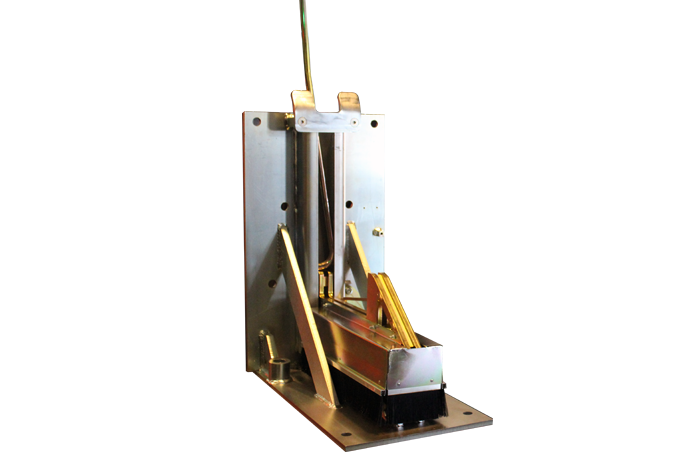
PowerStop® Series Manual Restraint
The PowerStop® is a non-impact, self-aligning, mechanically operated truck restraining system. An optional light communication package can be added to the MML and MAL, which can also be upgraded to iDock Controls with an interactive message display.
Features
- Equipment Interlocking Option
- RIG Sensor
- Optional Automatic or Manual Light Sequencing
- NHTSA
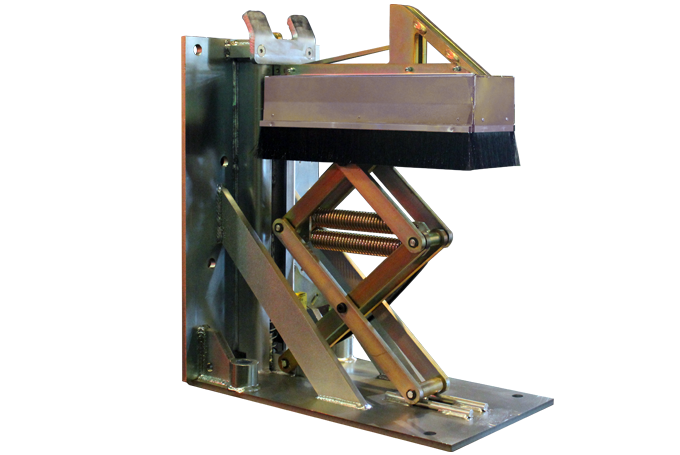
PowerStop® Series Automatic Restraint
The PowerStop® fully automatic vehicle restraint (AAL) is an easy-to-install, affordable restraining system. It comes equiped with a RIG sensor bar that notifies dock workers if the restraint's arm is not securely engaged with the trailer's Rear Impact Guard.
Features
- Automatic Light Sequencing
- Remote Powerpack
- Equipment Interlocking Option
- RIG Sensor Bar
- Advanced Communication
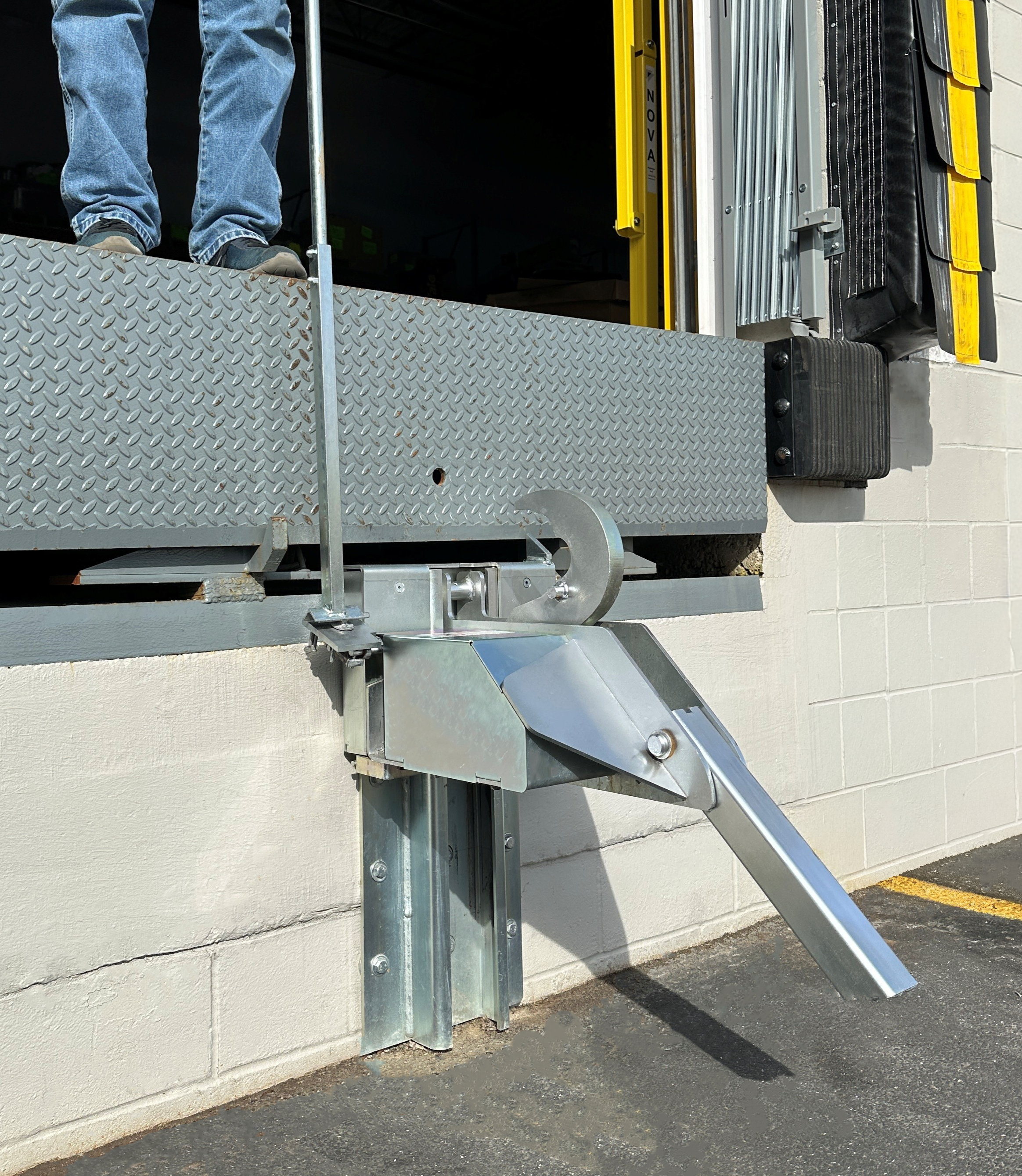
EZ-Lock™ Vehicle Restraint
The EZ-Lock™ is a manual hook-style vehicle restraint that secures the trailer’s rear impact guard (RIG) at the dock to reduce the risk of premature departure and trailer movement during loading and unloading. Its spring-loaded housing lowers with truck contact, and the carriage automatically adjusts with trailer float. The EZ-Lock™ has an enhanced design with a patented Triple Range Hook that outperforms competitor hook-style restraints:
Learn More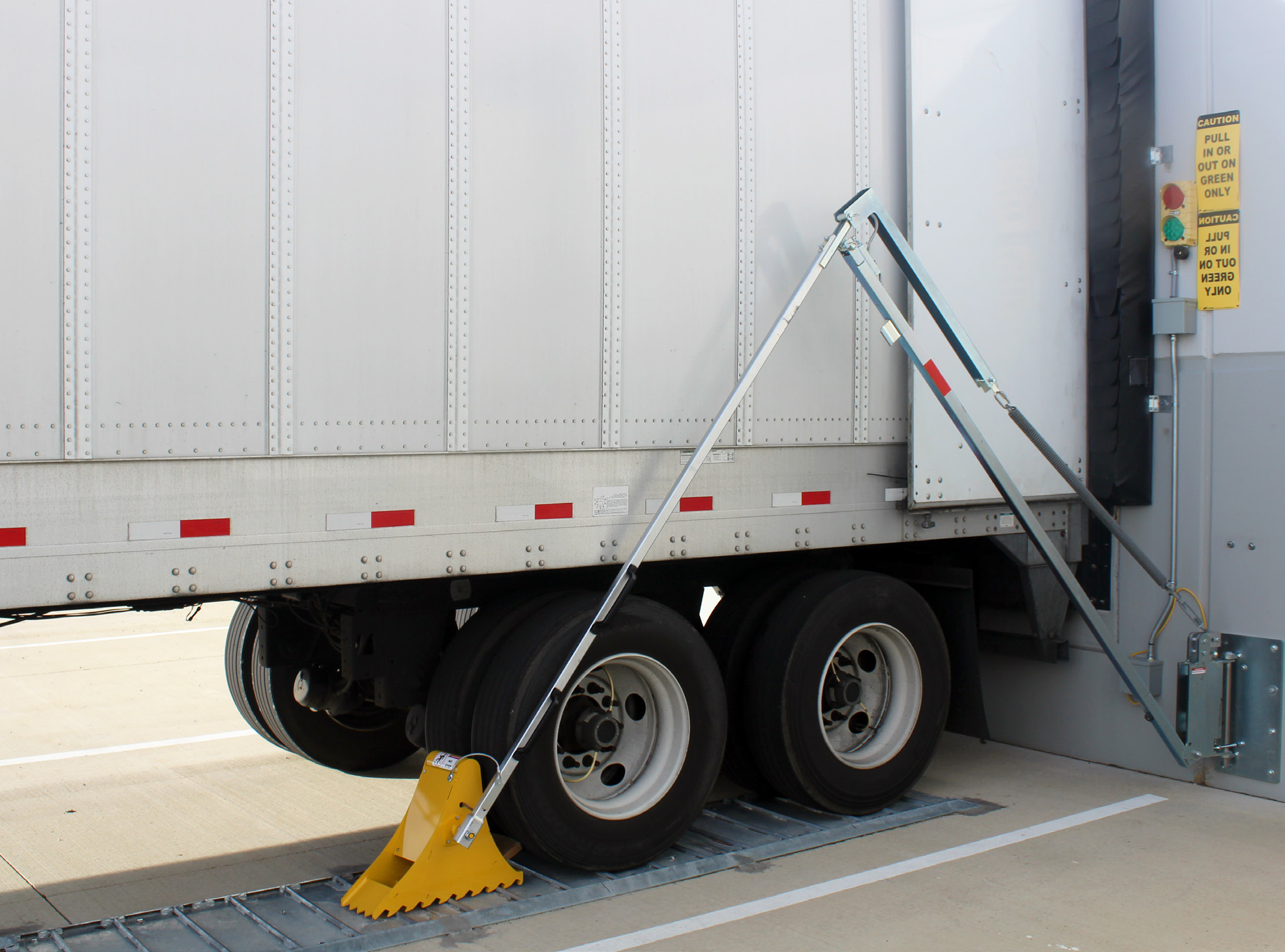
UXL Vehicle Restraint
The UXL is a wheel-based trailer restraint with advanced light communication. Package available as a standalone unit or integrated with other dock equipment. This universally effective chock helps prevent unexpected trailer departure or movement from the loading dock during the loading process.
Features
- Universally Effective
- Steel Teeth
- Audible Alarms
- Advanced Communication
- Advanced Communication
E-NEWSLETTER SIGN UP
ABOUT DLM®
DLM® has been a leading manufacturer of loading dock equipment for over 60 years. With a focus on quality, all products are proudly Made in the USA! DLM is a division of Systems LLC and subsidiary of The Chamberlain Group LLC.
California Residents: Proposition 65 WARNING
Copyright 2026 © DLM. All rights reserved.
 Your Privacy Choices | Privacy Policy & Terms
Consistent with our policy of continuing product improvement, we reserve the right to change product specifications without notice or obligation.- myQ Products Parts & Service Reference Library Accessories Shop Parts Our Company Careers
- Contact Us 1.800.643.5424 info→dlmdocks.com